
Edmund’s Transformation
A Murder Is AnnouncedEdmund begins as a self-conscious writer of bleak commentary and ends with a comic play, a marriage, and a less cynical sense of life.
increasing Bearing strength in each event
 decreasing
Bearing strength in each eventdecreasingA Book About Misery
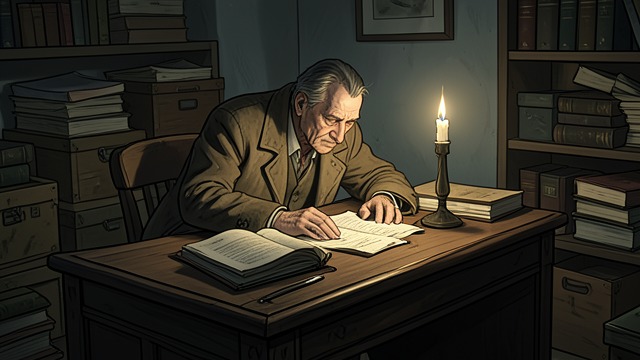
The Aspiring Novelist
Intellectual Posture
Edmund Swettenham insists that writing is real work, though his mother doubts his effort. He reads political newspapers and cultivates a sardonic view of the world.
A Narrow Subject
He intends to write about misery and frustration. His early ambition depends on treating pessimism as an intellectual achievement.
Attracted to Phillipa
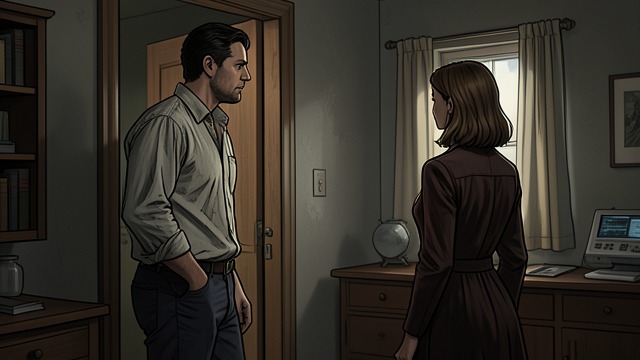
A Challenge to Detachment
A Quiet Fascination
Edmund is drawn to Phillipa’s composure and tries to make her reveal her thoughts. Her reserve frustrates his habit of turning every feeling into an argument.
An Unplanned Emotion
He admits that falling in love has interrupted his intention to sit alone and write. The attachment exposes the inadequacy of his detached pose.
The Proposal
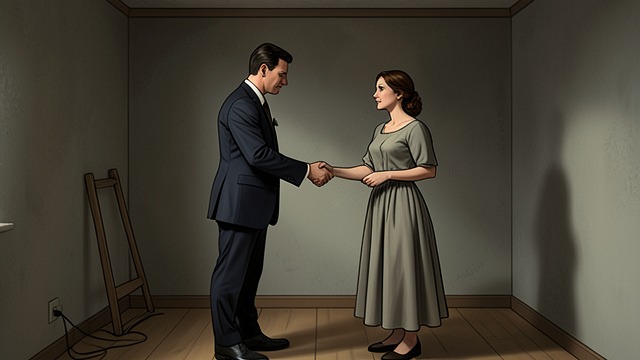
A Serious Offer
Marriage Proposed
Edmund asks Phillipa to marry him and offers an ordinary shared life rather than an idealized romance. His proposal includes work, family, and his own limitations.
Refusal and Reflection
Phillipa says no because he does not know enough about her or about life. Edmund accepts the criticism more thoughtfully than he would have earlier.
Caught in the Murder Inquiry
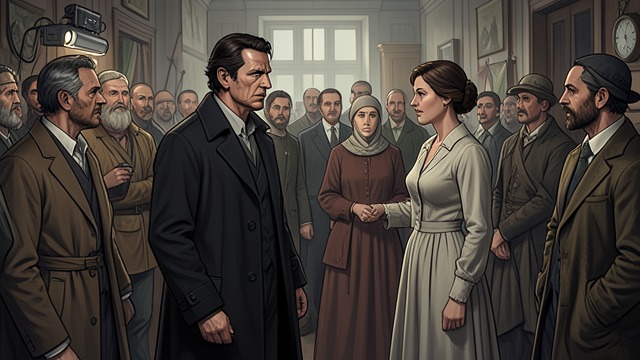
A False Suspect
The Inspector’s Charge
Craddock suggests that Edmund may have wanted Letitia’s death to secure a wealthy marriage. Edmund angrily denies being Pip or having any role in the shootings.
A Sudden Defense
When Phillipa identifies herself as Pip, Edmund insists she need not be suspected. His concern for her outweighs the immediate danger to his own reputation.
A Comic Ending
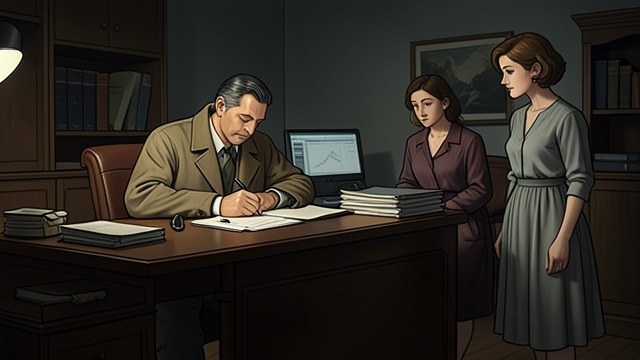
A Different Playwright
A New Kind of Work
Edmund abandons his grim novel and writes a farce that is accepted for production. He discovers that an unplanned comic idea holds his interest more than fashionable despair.
Marriage and Renewal
His marriage to Phillipa accompanies the change in his writing. He ends the story less intent on explaining misery and more open to the comedy of ordinary life.
At the beginning of the story
The days after the shooting
During the garden conversation
During the final accusation
After returning from the honeymoon
